Description
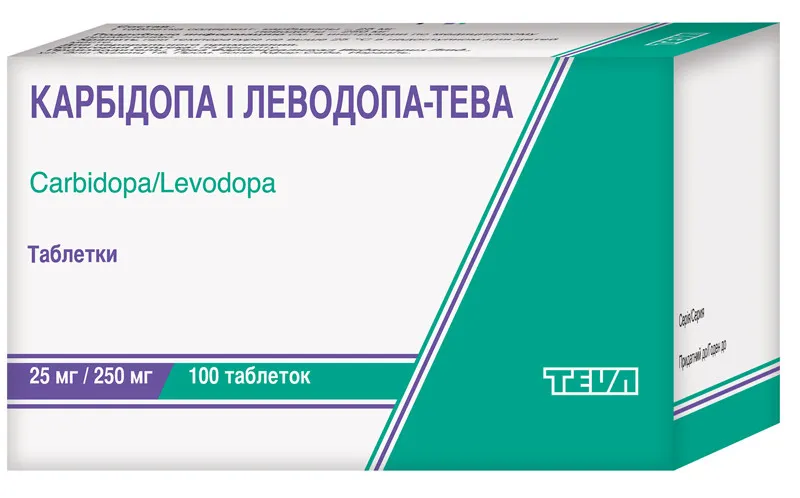
Carbidopa and Levodopa Tablets 25 mg/250 mg – Pack of 100 Tablets
Composition
Each tablet of Carbidopa and Levodopa contains 25 mg of Carbidopa and 250 mg of Levodopa.
Mechanism of Action
Carbidopa enhances the bioavailability of levodopa by inhibiting its peripheral decarboxylation, thus allowing more levodopa to reach the brain. Levodopa is a precursor of dopamine and helps replenish dopamine levels in the brain, improving motor symptoms in Parkinson’s disease.
Pharmacological Properties
Carbidopa and Levodopa combination offers synergistic effects in the treatment of Parkinson’s disease. Carbidopa prevents the peripheral breakdown of levodopa, enhancing its central nervous system effects. Levodopa crosses the blood-brain barrier and is converted to dopamine, alleviating motor symptoms.
Indications for Use
Carbidopa and Levodopa are indicated for the treatment of Parkinson’s disease and related syndromes. Additionally, it can be beneficial in managing post-encephalitic parkinsonism, as well as symptomatic parkinsonism resulting from carbon monoxide or manganese intoxication.
Contraindications
Carbidopa and Levodopa are contraindicated in patients with a known hypersensitivity to any of the components in the drug formulation. It should not be used in individuals with narrow-angle glaucoma, a history of melanoma, or any undiagnosed skin lesions.
Side Effects
Common side effects of Carbidopa and Levodopa may include nausea, vomiting, dizziness, orthostatic hypotension, dyskinesias, and hallucinations. Patients should be monitored for these adverse reactions and appropriate measures taken if they occur.
Usage Instructions
The recommended dosage of Carbidopa and Levodopa is one tablet, three to four times daily. Dosage adjustments should be made based on individual response and tolerance levels. The tablets should be taken orally with food to minimize gastrointestinal side effects.
Benefits Compared to Analogues
Carbidopa and Levodopa offer the advantage of combined therapy, with Carbidopa enhancing the effectiveness of Levodopa by reducing its peripheral metabolism. This combination allows for lower doses of Levodopa, potentially reducing side effects while maintaining therapeutic efficacy.
Suitable Patient Groups
Carbidopa and Levodopa can be used in various patient populations, including children (under medical supervision) and the elderly. However, special care should be taken in the elderly due to the potential for increased sensitivity and age-related comorbidities.
Storage and Shelf Life
Carbidopa and Levodopa tablets should be stored in a cool, dry place away from direct sunlight. The shelf life of the product is typically 2 years from the manufacturing date. Expired tablets should be properly disposed of according to local regulations.
Packaging Description
The tablets are typically packaged in a container holding 100 tablets. The packaging is designed to protect the tablets from moisture and ensure their stability throughout the shelf life. Each tablet is individually sealed to maintain potency.