Description
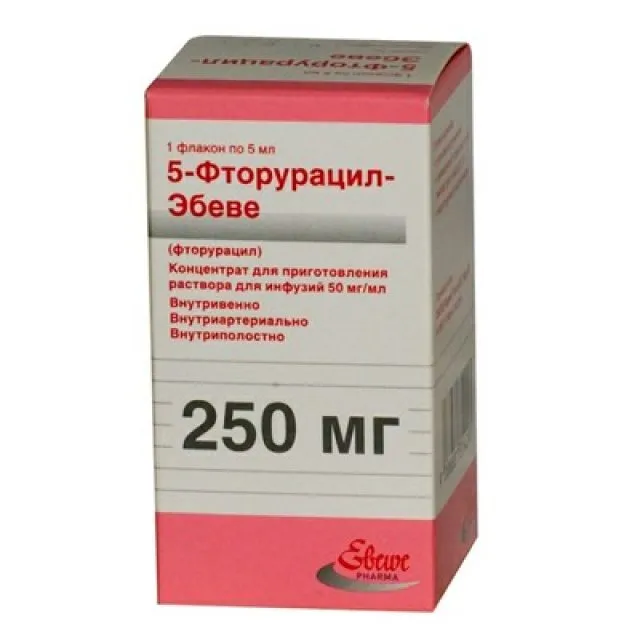
Fluorouracil (Fluorouracil) Solution for Injections 50 mg/ml, 5 ml (250 mg) – №1
Ingredients:
Fluorouracil (50 mg/ml)
Mechanism of Action:
Fluorouracil, a pyrimidine analog, inhibits thymidylate synthase, disrupting DNA synthesis crucial for cancer cell proliferation. This leads to impaired growth and division of cancer cells, ultimately inducing cell death.
Pharmacological Properties:
Fluorouracil exerts its anticancer effects by interfering with nucleic acid synthesis, particularly inhibiting thymidylate synthase. It is classified as an antimetabolite agent that disrupts DNA and RNA synthesis in cancer cells.
Indications for Use:
Fluorouracil is indicated for the treatment of various cancers, including colorectal, breast, and gastrointestinal cancers. It is commonly used in both adjuvant and neoadjuvant settings for cancer therapy.
Contraindications:
Avoid Fluorouracil if there is a known hypersensitivity to the drug or any of its components. Patients with dihydropyrimidine dehydrogenase (DPD) deficiency should also not use Fluorouracil due to the risk of severe toxicity.
Side Effects:
Common side effects of Fluorouracil include myelosuppression, gastrointestinal disturbances, mucositis, hand-foot syndrome, and dermatological reactions. Rare but severe adverse effects may include cardiotoxicity and neurotoxicity.
Usage Instructions:
Fluorouracil is administered via intravenous injection by healthcare professionals in a clinical setting. The typical dosage ranges from 12-15 mg/kg/day for 4-5 days, with treatment cycles repeated every 3-4 weeks.
Benefits Compared to Analogues:
Compared to other chemotherapy agents, Fluorouracil has demonstrated comparable efficacy in treating various cancers with a more favorable side effect profile. Its mechanism of action and proven clinical outcomes make it a valuable component in cancer management.
Suitable Patient Groups:
Fluorouracil is commonly used in adult patients with different types of cancers. Dosing adjustments may be necessary for elderly individuals and patients with renal or hepatic impairment. The use of Fluorouracil in pediatric populations requires special consideration and should be determined by healthcare providers based on individual patient factors.
Storage Conditions and Shelf Life:
Store Fluorouracil as per the manufacturer’s instructions, typically at controlled room temperature away from light and moisture. Check the product packaging for specific storage guidelines. Do not use Fluorouracil beyond its expiration date.
Packaging Description:
Each package of Fluorouracil solution for injections contains a 5 ml vial with a concentration of 50 mg/ml, totaling 250 mg per vial. The packaging is designed to maintain the integrity and sterility of the product until use.
Clinical Evidence and Proven Effectiveness:
Fluorouracil has been extensively studied in clinical trials, demonstrating significant efficacy in treating various cancers. Research published in reputable journals, such as the Journal of Clinical Oncology, has shown that Fluorouracil-based regimens improve survival rates in patients with advanced colorectal cancer. Clinical trials have also highlighted the benefits of Fluorouracil in combination therapies for breast cancer treatment.